


Association
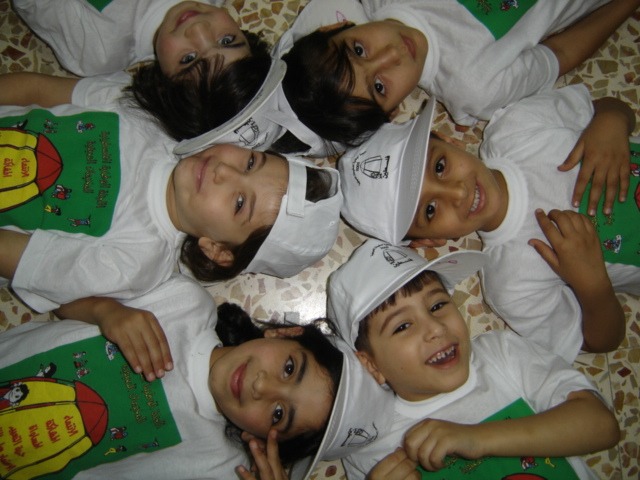
Sabreen originated as a musical group in Jerusalem in 1980 and developed into Sabreen Association for Artistic Development in 1987 as a non-profit, community based organization. Sabreen focuses its work in Competence Building, Technical Support, and Production, becoming a valuable hub for individuals and organizations from all artistic backgrounds and disciplines.The association specializes primarily in producing and promoting music, combining it with different artistic expressions and forms. It is recognized locally and internationally and operates through its main office in Sheikh Jarrah, Jerusalem.
Music Band
Formed in Jerusalem in 1980, Sabreen is a Palestinian music group that set out with a vision to revolutionize the Palestinian modern sound by creating original, locally produced sound and music. With a clear mission to amplify the Palestinian lived experience, the group managed to juxtapose their individuality alongside their collective generation’s view of society through their art; manifesting the group’s motto "change through music."
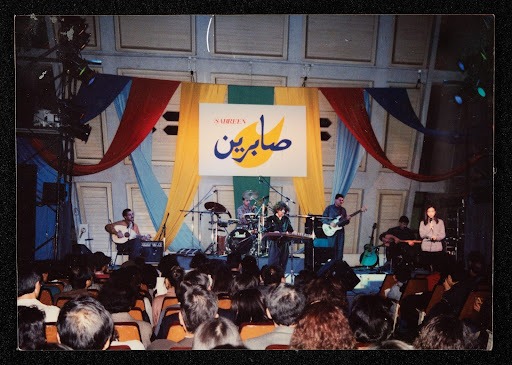
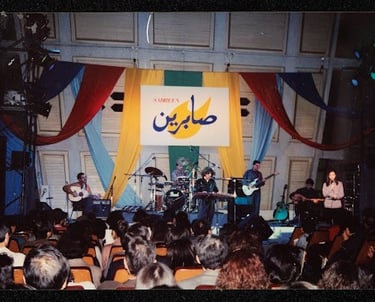
Archive
Explore Sabreen’s extensive archive that spans over 40 years and includes over 2500 photographs
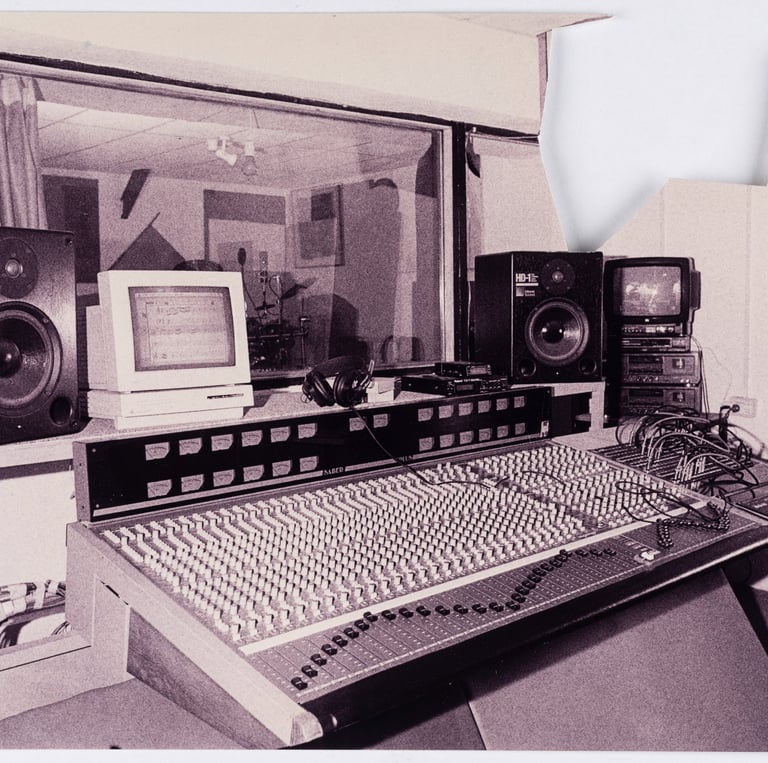
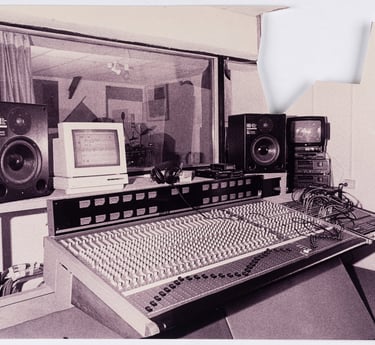
2,500+
40+
Years of experience
Photo's


BIZER BATTEEKH
IS OUT NOW
Bizer Bateekh (Watermelon Seeds) is Sabreen's inaugural project under the Jerusalem Art and Production Consortium- Preserving Palestinian Culture Together (ASAS) funded by the European Union.
After an open call, our jury carefully selected five talented Jerusalemite artists to produce a unique song and visualizer for each participant.


Latest Projects
Teacher Percussion Training
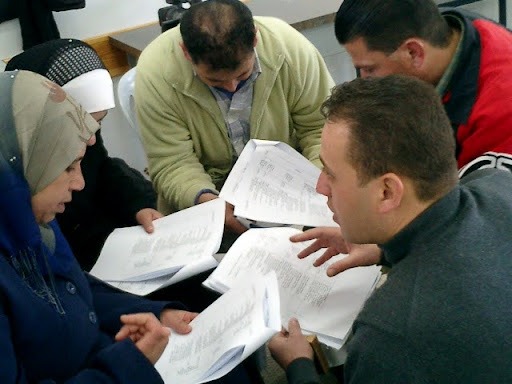
The project aims to enhance music education in Jerusalem's Waqf schools by creating a 12-month percussion training program for non-specialized teachers.
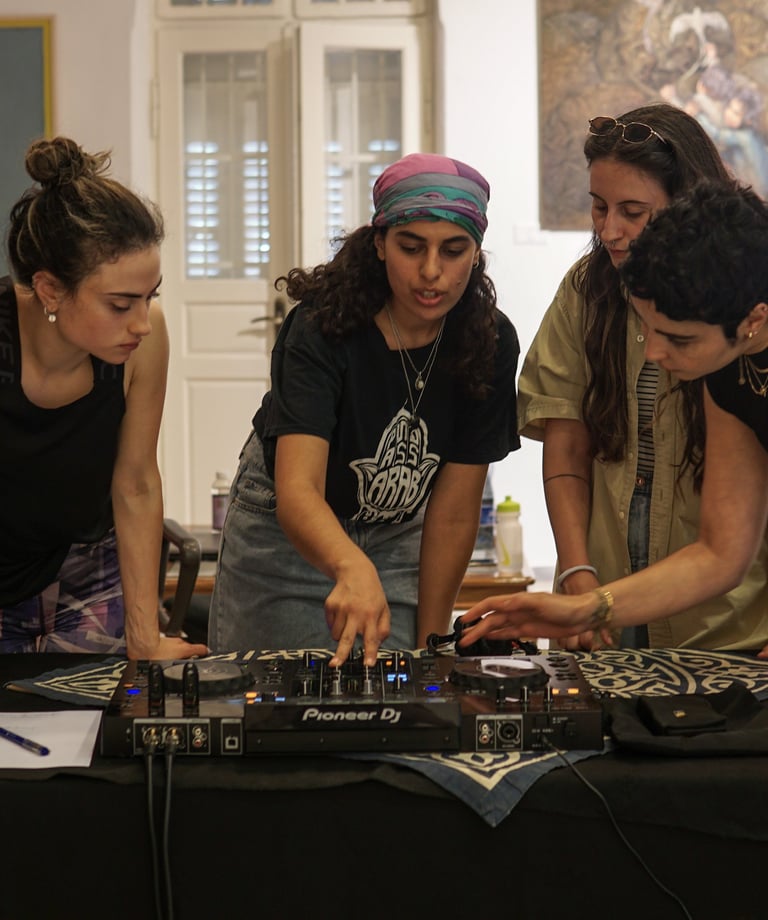
Women’s DJ Workshops
A pilot workshop hosted at Sabreen in Sheikh Jarrah, conducted in collaboration with Future Female Sounds and led by Mexico-based Palestinian DJ, Nour Palestina
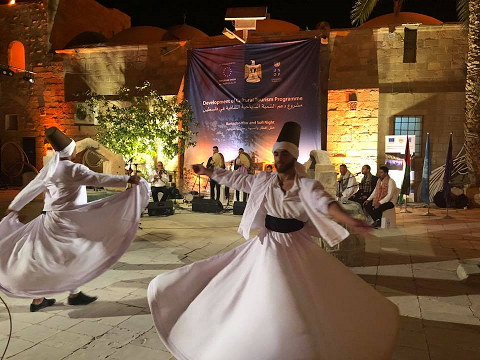
Sufi Performances
The aim of this project is to produce and promote a unique Sufi artistic production to preserve Palestinian identity.

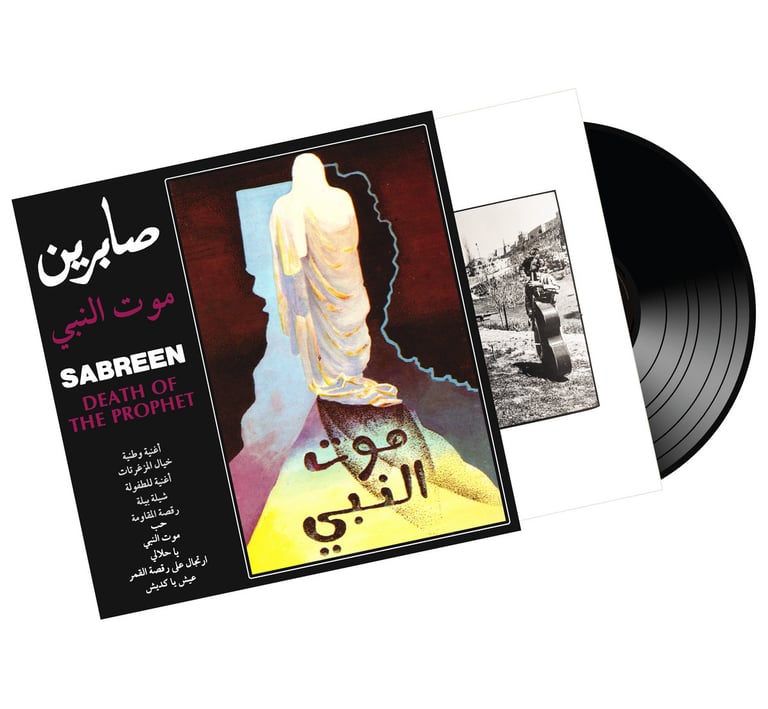
VINYL SALE
Get in touch
Share with visitors how they can contact you and encourage them to ask any questions they may have.